What it looks like
Spiritual bypassing usually sounds kind or wise. The problem is what it’s used for: to end a feeling before it has been felt. Some common forms:
- “Everything happens for a reason,” said to close down grief or anger.
- “Good vibes only”: treating sadness, fear or anger as signs that you’re doing something wrong.
- Forgiving someone right away so you never have to admit how much they hurt you.
- Using meditation, prayer or positive thinking to avoid a conversation you need to have.
- Feeling “above” other people’s emotions, or your own.
Why people do it
Pain is uncomfortable, and bypassing feels like progress. Many groups also reward looking calm and positive. So it’s easy to take the language of growth and use it to stay exactly where you are.
Why it backfires
Skipped feelings don’t disappear. They tend to come back sideways: in relationships, in sudden overreactions, or as a numb distance from other people. Welwood’s point was that spiritual practice can support psychological work, but it can’t replace it.
What to do instead
- Feel first, explain later. Let the grief or anger be real before you look for the lesson in it.
- Use your practice as support, not an exit. Meditation or prayer can help you stay with a hard feeling instead of escaping it.
- Be honest about the cost. Name what happened and what it took from you.
- Get help when it’s heavy. Trauma and long-running pain are worth working through with a qualified professional.
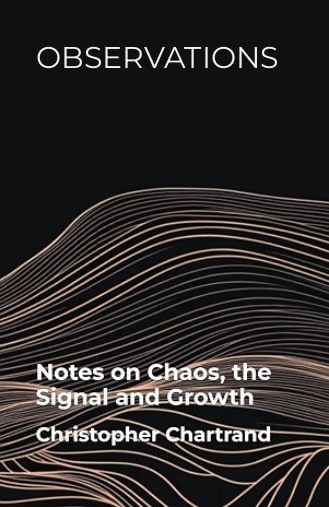
Observations
Observations is written against spiritual bypassing. Its description says it moves beyond “conventional spiritual bypassing and easy platitudes,” and its first movement, Chaos, faces the shadow, trauma loops and the pain that comes with any real change. Each page is meant, in Chris’s words, as “a mirror designed not to comfort, but to recalibrate.” His poetry shows the long way round: years of real work, with professional help.
Sources
- Welwood, J. (1984). Principles of inner work: Psychological and spiritual. Journal of Transpersonal Psychology, 16(1).
- Masters, R. A. (2010). Spiritual Bypassing: When Spirituality Disconnects Us from What Really Matters. North Atlantic Books.
Keep exploring