A boundary vs a demand
| Demand (about them) | Boundary (about you) |
|---|---|
| “You can’t yell at me.” | “If the yelling starts, I’ll leave the room.” |
| “Stop texting me at work.” | “I don’t answer personal texts during work hours.” |
| “You have to pay me back.” | “I won’t lend money again until this is settled.” |
Common kinds
- Time: what you say yes to, and when you’re unavailable.
- Emotional: what you’ll carry for others, and what you won’t.
- Physical: space, touch and privacy.
- Digital: how reachable you are, and where.
Why they’re hard to keep
Setting a limit can feel like risking the relationship, and humans are wired to protect belonging. So people often hint instead of stating, or give in the first time a limit is tested. Books like Henry Cloud and John Townsend’s Boundaries (1992) and Nedra Glover Tawwab’s Set Boundaries, Find Peace (2021) are popular for exactly this reason. In close or difficult relationships, a counselor or therapist can help.
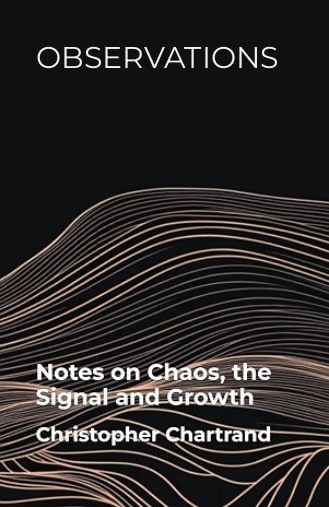
Observations
Observations takes on what its description calls “the physics of personal boundaries.” Boundaries sit in the book’s Growth movement as “boundary physics,” next to conscious contradiction and “the courage to live undefended.” The Architecture of Truth adds a reason they’re hard: in Chris’s framework, our brains are “survival filters” that put social belonging ahead of seeing clearly.
Sources
- Cloud, H., & Townsend, J. (1992). Boundaries. Zondervan.
- Tawwab, N. G. (2021). Set Boundaries, Find Peace. TarcherPerigee.
Keep exploring