Home / Ideas / Emotional sovereignty
Ideas · Growth
Emotional sovereignty
Emotional sovereignty is the idea that you are responsible for your own emotional reactions: other people can affect you, but they don’t get to run you. It isn’t a clinical term. It’s used by writers and teachers, including Chris in Observations.
What it is, and what it isn’t
| It isn’t | It is |
|---|---|
| Not feeling anything | Feeling fully, then choosing what to do |
| Blaming yourself for being hurt | Taking charge of what happens next |
| Never needing anyone | Not handing your mood over to anyone |
The research ideas behind it
Two established ideas in psychology sit close to it. Emotion regulation is how people influence which emotions they have and how they express them; James Gross set out an influential model of it in 1998. Locus of control, from Julian Rotter’s 1966 work, is how much people believe the outcomes in their life come from their own actions rather than outside forces.
Signs you’ve handed it over
- Your whole day depends on one person’s mood.
- You need others to agree before you trust what you feel.
- You keep explaining yourself long after you’ve been understood.
Taking it back usually starts with boundaries, and with honesty about what you feel. If emotions feel overwhelming, it’s worth working with a mental health professional.
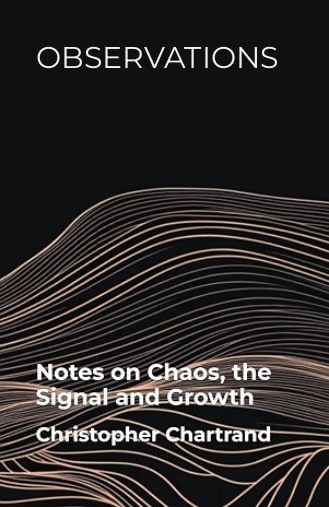
Observations
Observations is described as “an unvarnished field guide to the mechanics of consciousness, emotional sovereignty, and radical self-honesty,” written for “the sovereign seeker ready to stop asking for permission and start reading the source code of their own life.” Its Growth movement covers boundaries, living with contradiction and “the courage to live undefended.”
Sources
- Gross, J. J. (1998). The emerging field of emotion regulation. Review of General Psychology, 2(3). doi:10.1037/1089-2680.2.3.271
- Rotter, J. B. (1966). Generalized expectancies for internal versus external control of reinforcement. Psychological Monographs, 80(1). doi:10.1037/h0092976
Keep exploring